


How Vision Problems Affect Learning, Behavior, and Development
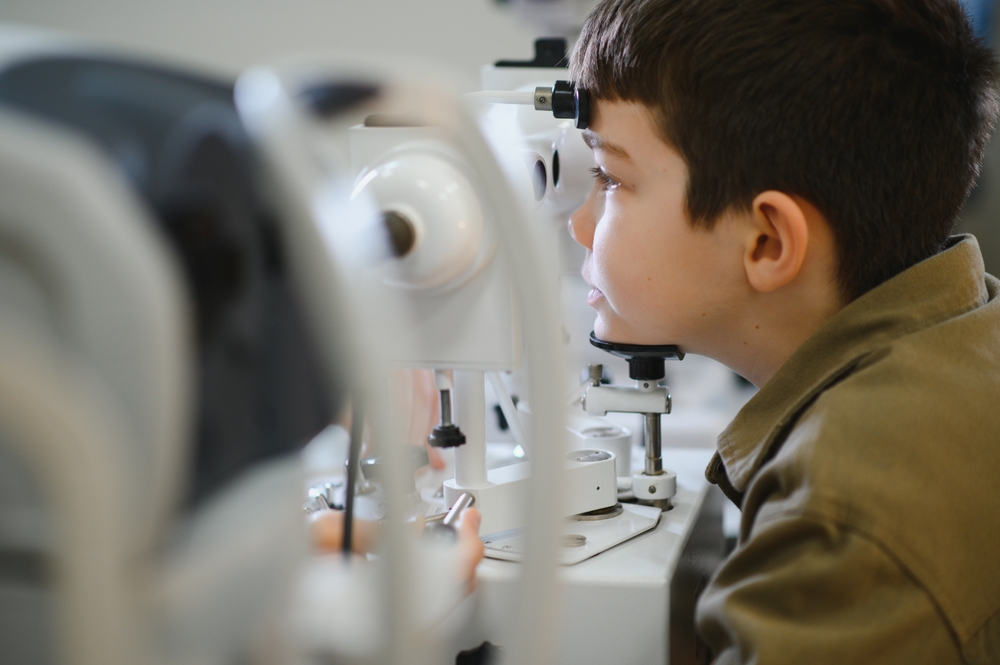
As eye care providers, we often see how vision problems affect much more than eyesight alone. A child’s visual system plays a major role in how they learn, focus, move through daily tasks, and interact with the world around them. When a vision issue goes undetected, it can impact school performance, behavior, and development in ways that are easy to miss at first.
Common Eye Conditions In Children
Several eye conditions in children can interfere with clear and comfortable vision. Refractive errors such as nearsightedness, farsightedness, and astigmatism can make it harder for children to see clearly at different distances. Amblyopia, often called lazy eye, can reduce vision in one eye if it is not treated early. Strabismus, or eye misalignment, may affect how the eyes work together and can lead to double vision or poor depth perception.
Some children also experience focusing or eye teaming problems, which can make reading and other close-up tasks more difficult. When these issues go undetected, they can affect learning, attention, and everyday development.
Vision Supports Everyday Learning
In the classroom, children rely on their vision all day long. Reading, writing, using a computer, copying from the board, and staying visually focused on assignments all require the eyes to work efficiently. If a child is dealing with blurred vision, poor eye coordination, or trouble focusing, these tasks can become frustrating and tiring. Over time, that strain can affect confidence and academic performance.
Some Symptoms Can Be Misread
Not all vision problems look the same. Some children do not complain about blurry sight because they assume what they see is normal. Instead, we may notice signs like squinting, frequent eye rubbing, short attention during reading, holding books too close, or avoiding close-up work. In some cases, vision issues can even look like inattention or behavioral challenges when the real problem is visual discomfort.
Development Can Be Affected Too
Vision also supports development outside the classroom. Children use their eyesight for balance, coordination, depth perception, and hand-eye control. These skills matter during sports, play, and many parts of early growth. When vision is not working as it should, children may struggle with tasks that should feel more natural and comfortable.
Signs We Encourage Parents to Watch For
If you are concerned about your child’s visual development, some common signs to look for include:
• Frequent squinting or blinking
• Headaches after reading or schoolwork
• Losing place while reading
• Covering one eye
• Tilting the head often
• Complaints of tired eyes
These symptoms do not always mean there is a serious issue, but they do suggest it is a good time to have your child’s eyes evaluated.
Partner With Us For Your Child’s Eye Health
We want families to know that regular pediatric eye exams do more than check whether a child can see clearly from a distance. During a comprehensive exam, we evaluate how your child’s eyes focus, work together, and support everyday tasks like reading, learning, and visual development. These visits help us catch concerns early, monitor changes over time, and recommend care that supports long-term visual comfort and success.
If you have noticed signs of vision problems or want to stay proactive about your child’s eye health, schedule a pediatric eye exam at Centerville Family Eye Care today. Visit our office in Centerville, Ohio, or call (937) 435-8605 to book an appointment.


Contact Info
Hours of Operation
- Monday 8:30am - 7:00pm
- Tuesday 8:00am - 6:00pm
- Wednesday 8:30am - 5:00pm
- Thursday 8:00am - 6:00pm
- Friday 8:30am - 5:00pm
- Saturday Closed
- Sunday Closed
© 2026 Centerville Family Eye Care. All rights Reserved. Accessibility Statement - Privacy Policy - Sitemap
Powered by:
